
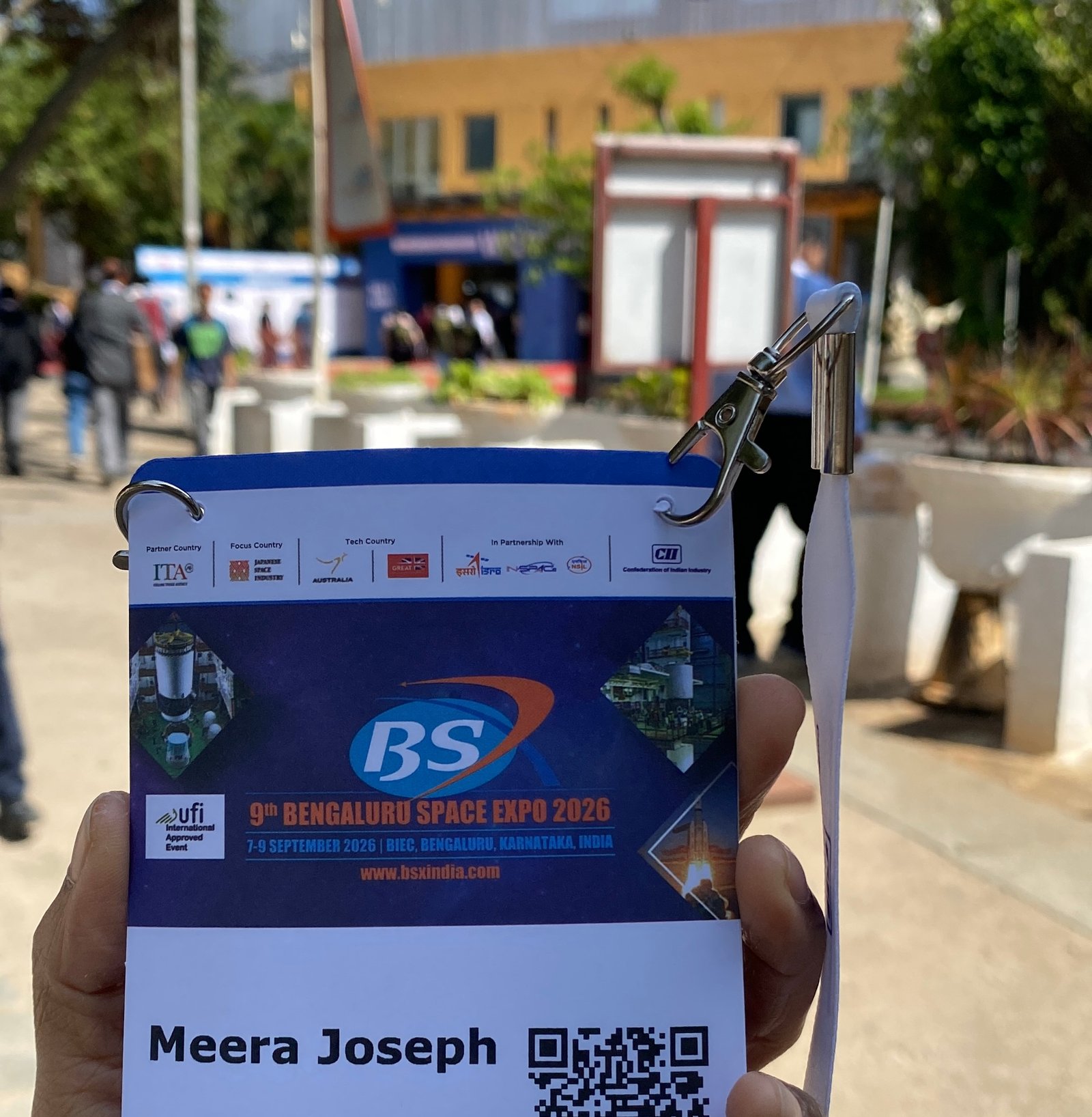
FIELD NOTE 01
Bengaluru Space Expo 2026
7–9 September 2026
Field note by Meera Joseph
Quiet Monk Research
01. Why I went
I came to BSX with one question: who’s actually working on keeping a human being at their best — not just alive — in an extreme environment, spaceflight included?
I didn’t know yet whether that question belonged anywhere on this floor. This is what it was like to go looking.
02. Getting there was already part of it
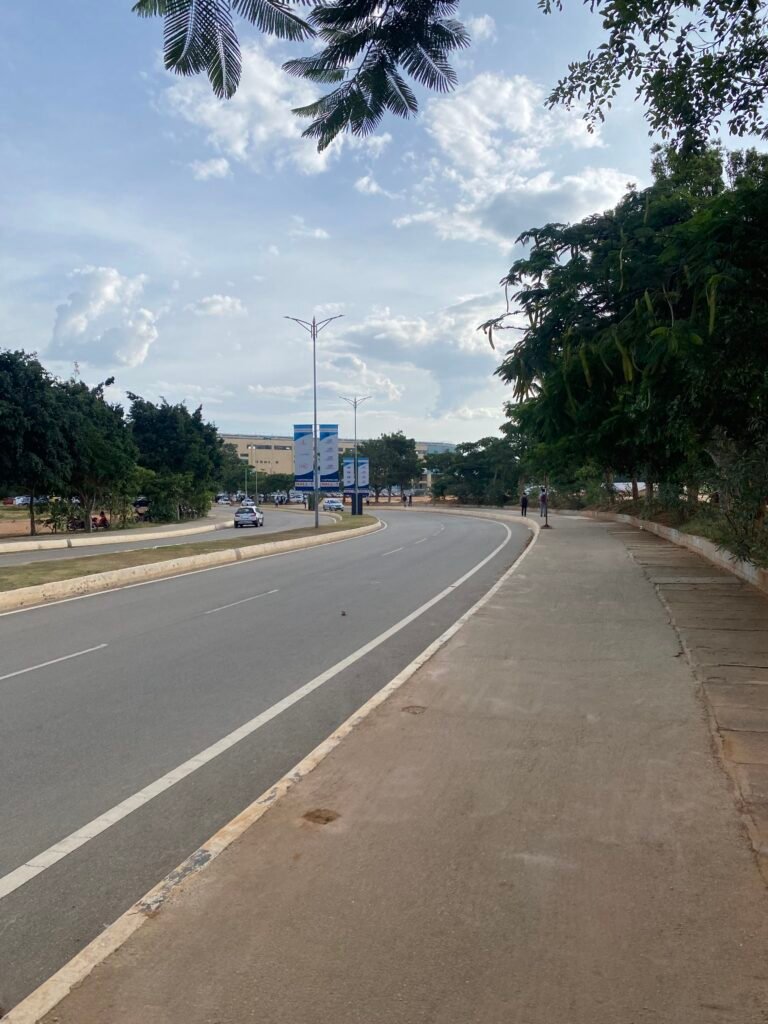
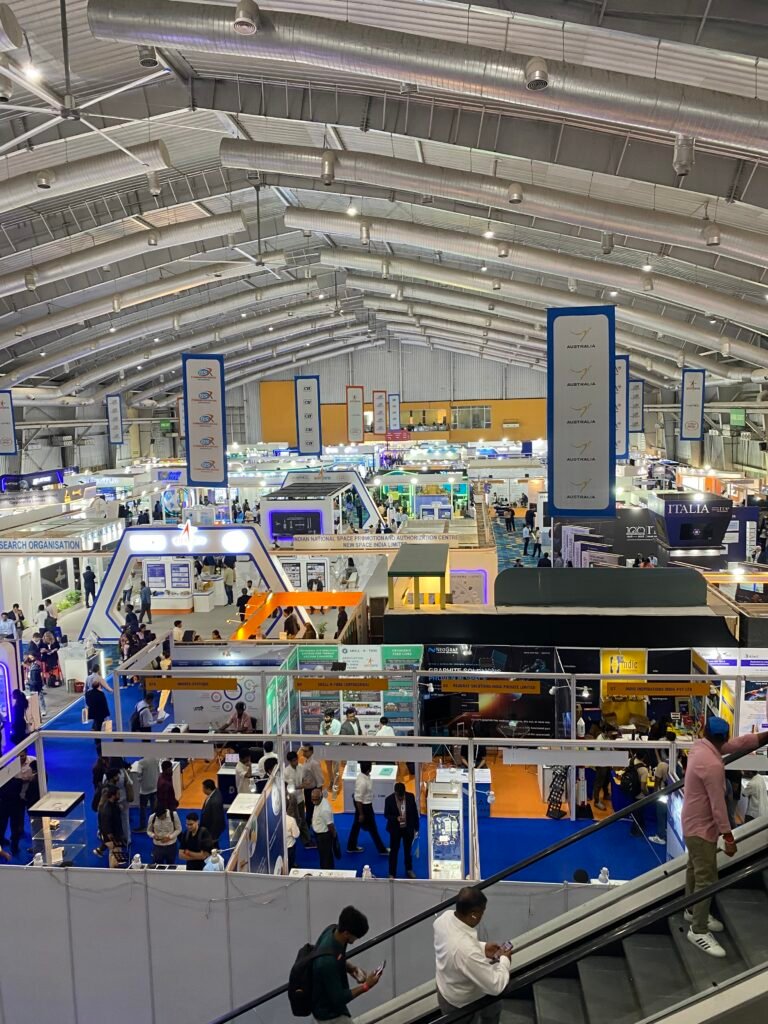
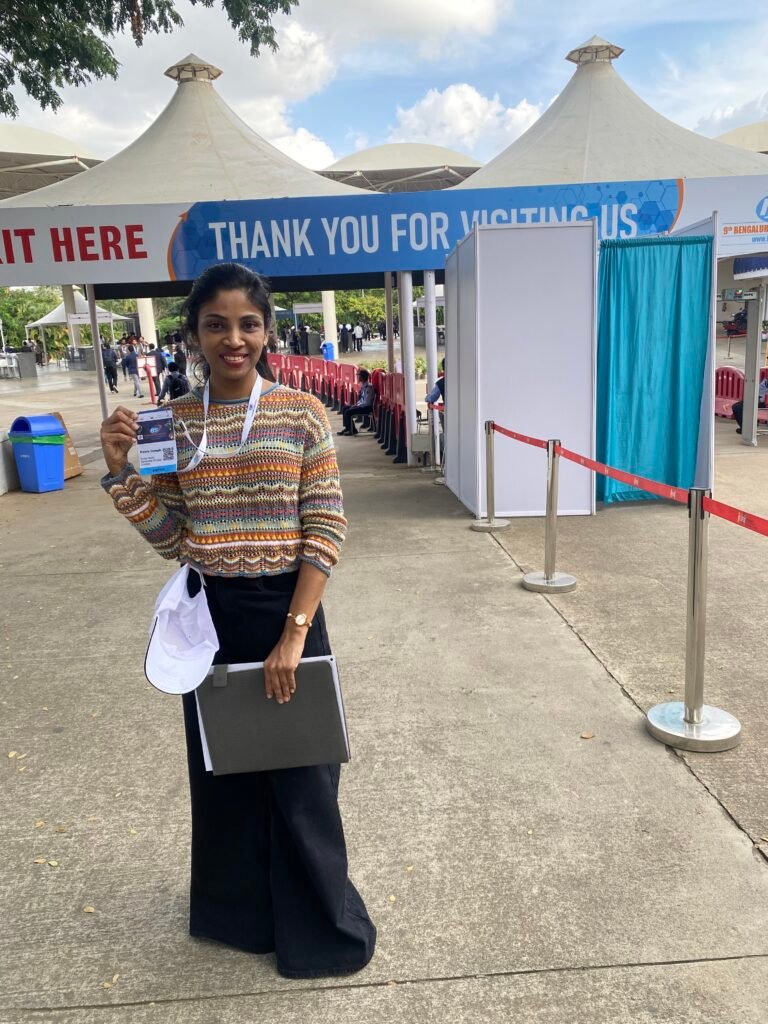
Madavara metro station opens almost directly onto BIEC’s grounds, except “almost” means a car park stretching for hectares and a walk that felt closer to a kilometre than a courtesy. By the time I reached the entrance, laptop bag in tow, my legs were screaming. Registration was smooth enough — OTP, QR code, a lanyard printed on the spot, two metal detectors — but nothing prepares you for how tall the inside of BIEC actually is. The second floor reads like a mezzanine. Even from up there, the roof keeps going.
03. The machine was everywhere
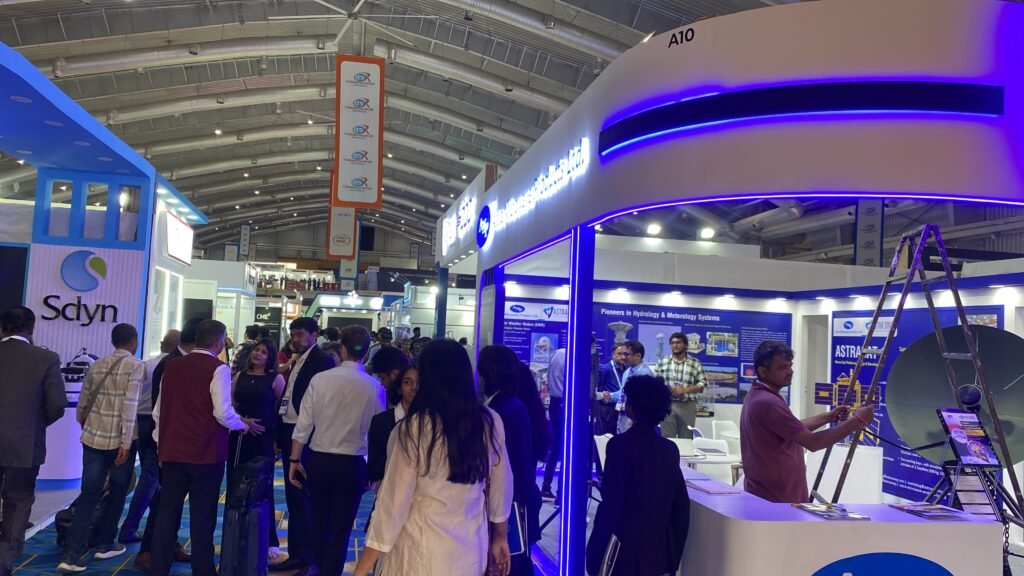
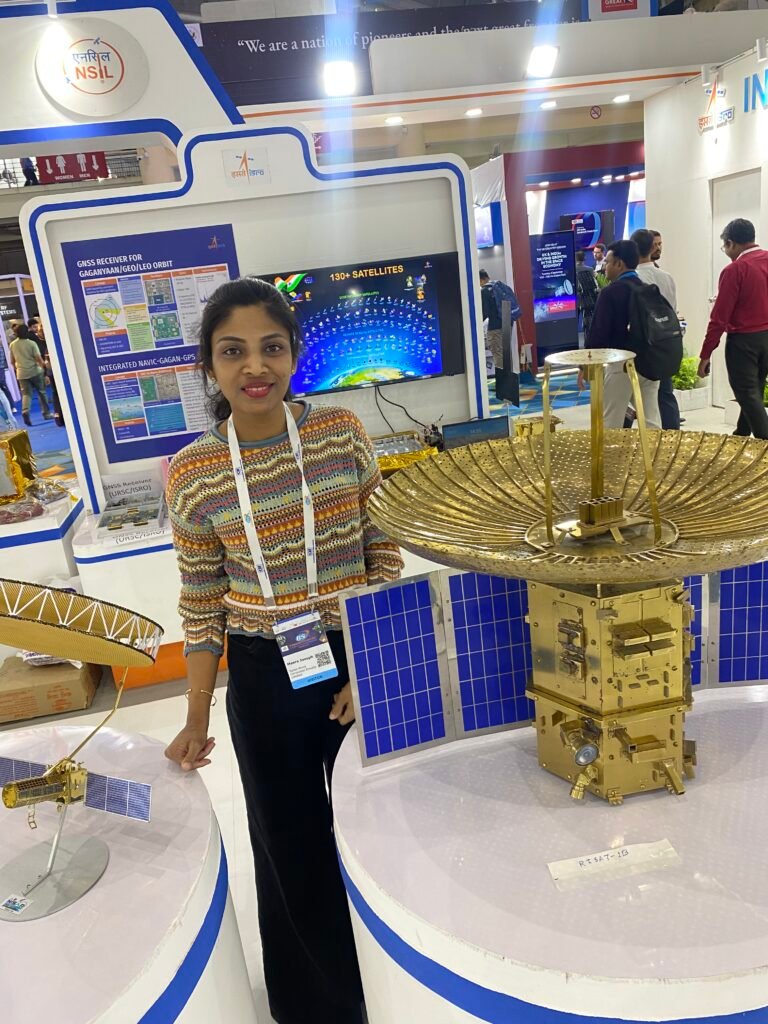
At the centre of the hall: ISRO, with IN-SPACe and NSIL alongside it. HAL directly across. Dhruva Space and Bellatrix nearby, national pavilions for the US and Japan, and stalls for businesses I couldn’t always place — a finance company here, a news outlet there, tucked in among the aerospace names. I didn’t go asking into every unfamiliar one. Some of it, frankly, was intimidating enough that I let it stay unfamiliar. What I did register, walking the length of it, was how much of the floor was rockets, propulsion, avionics, sensors, materials — and how little of it, by comparison, was anything to do with the human body inside all of that hardware.
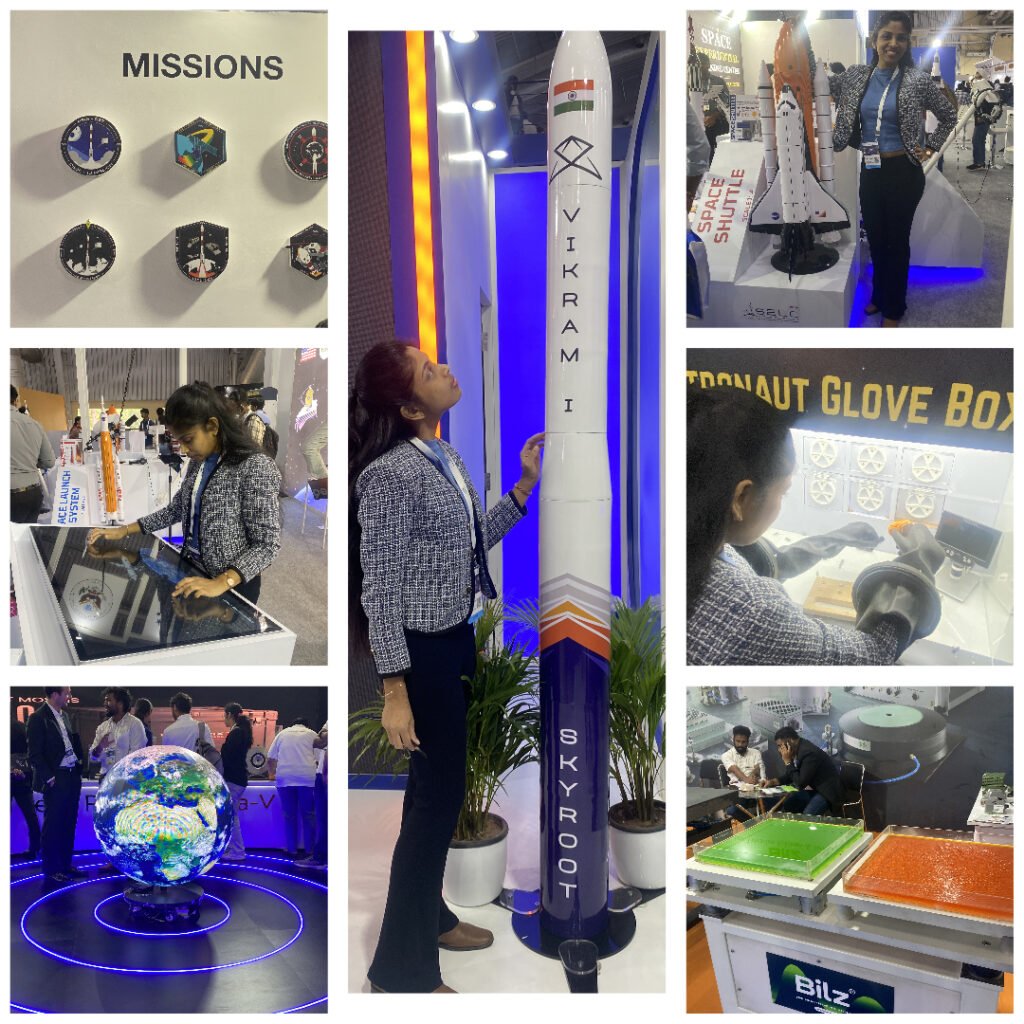
04. And the people I wanted were somewhere else
Many of the senior speakers and figures I had hoped to reach were speaking in a separate session area that my exhibition access didn’t include. I asked at the ISRO pavilion, on two separate days, whether I could speak with anyone from the scientist team. Both times, a volunteer offered to try. Neither time did it happen.
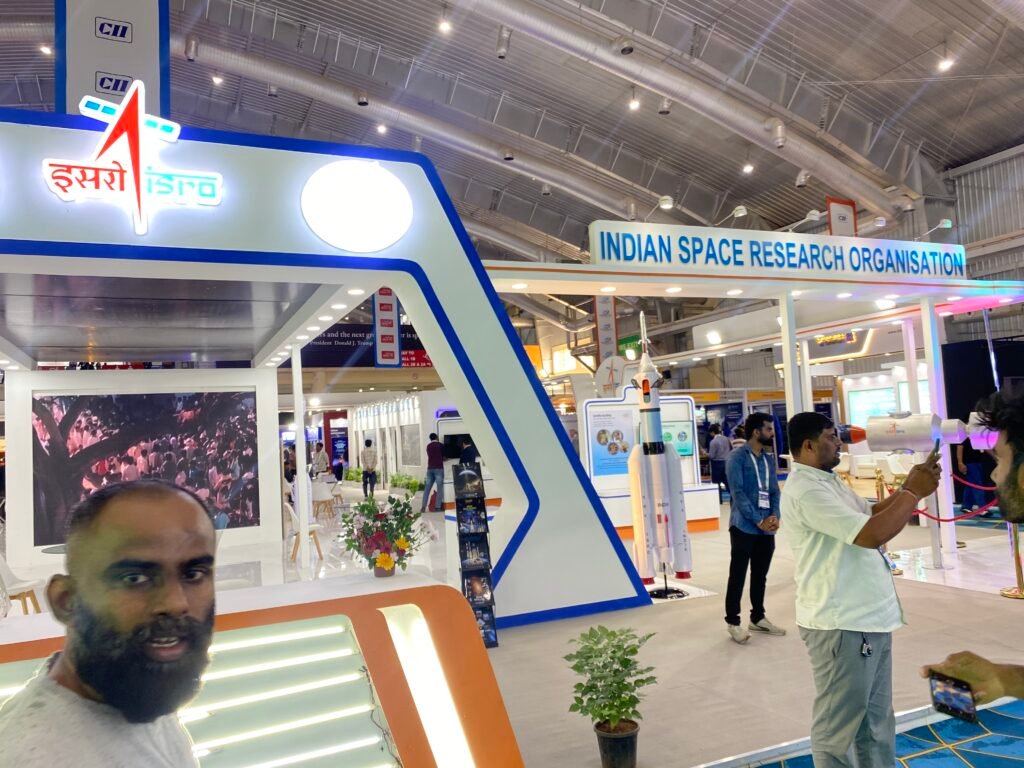
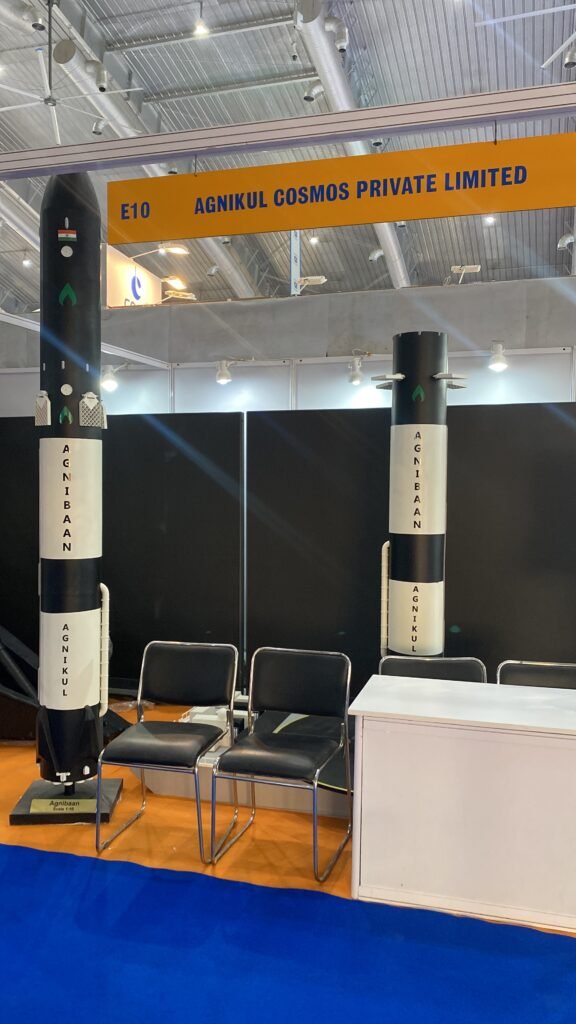
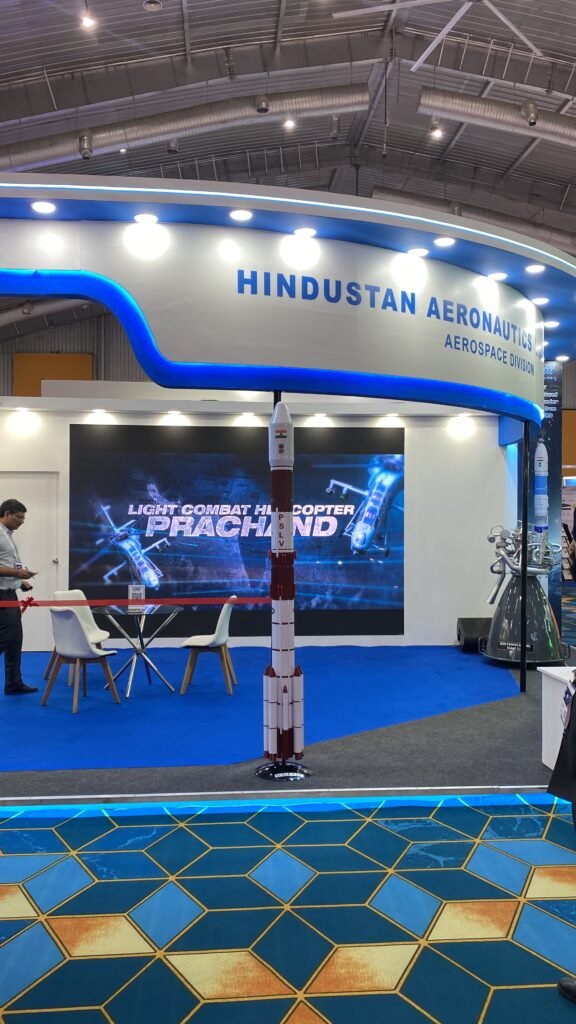
By day two, my body had opinions about three days of travel and standing before any of this even started. I went in late, left the laptop behind, and carried just a folder — pen, notepad, visiting cards. Small mercies.
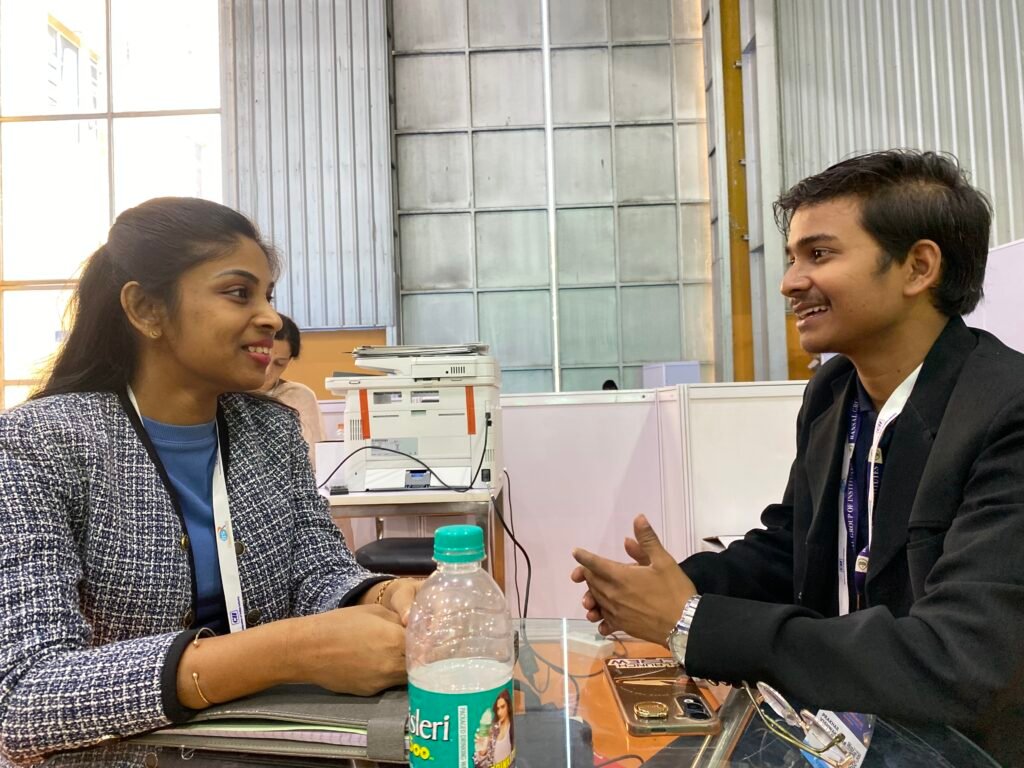
05. The tables weren’t numbered, and that helped
None of the promised table numbers at the B2B meeting area existed. People just sat wherever was free and found each other with a volunteer’s help. It should have made everything worse. Instead, whatever rigid, scripted feeling I’d braced for never really showed up — somewhere between one meeting and the next, over a cafeteria lunch and a lot of walking back and forth, I noticed I’d stopped being nervous.
06. Doors that opened sideways, not head-on
Most exhibition-floor conversations about “human performance in extreme environments” got a polite nod and not much else. I noticed, by day two, that people kept walking past with tote bags full of brochures and merchandise, and I wasn’t one of them — until I realised the bags aren’t simply handed out. The conversation has to go somewhere first.
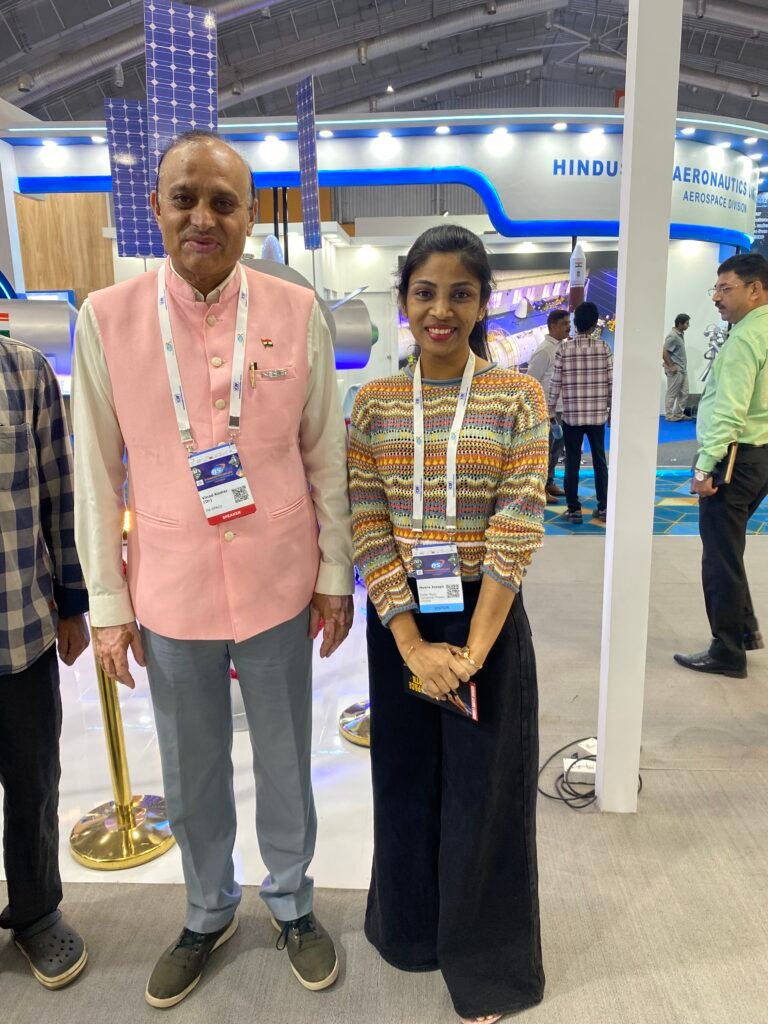
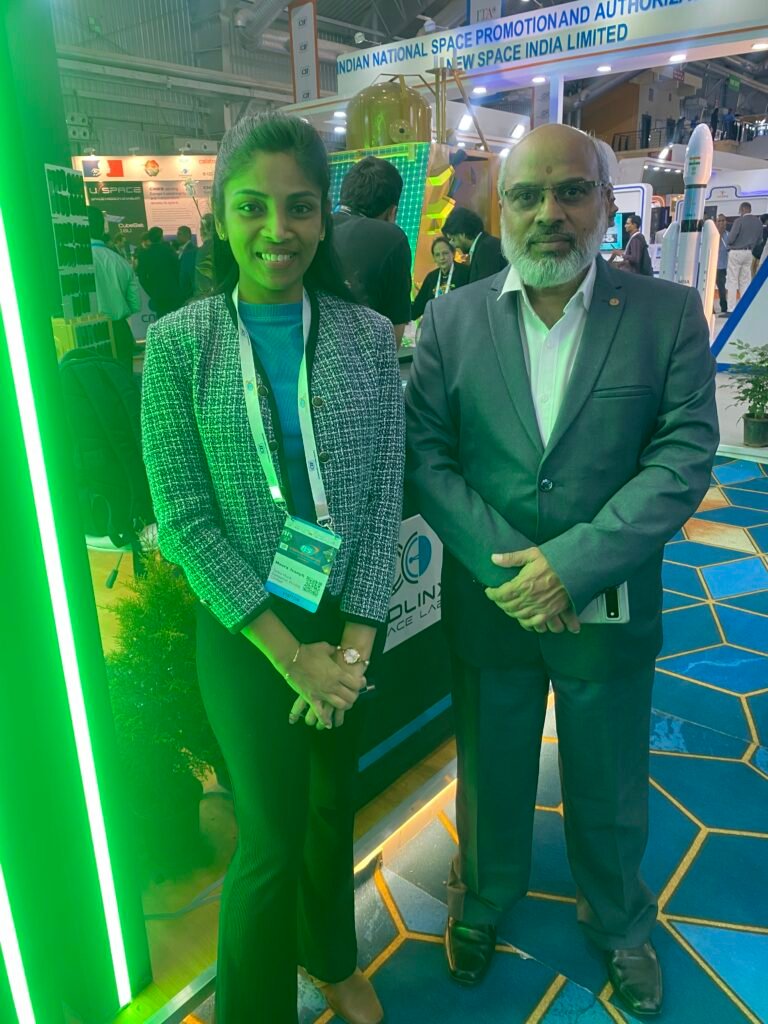
Two conversations did.
At the ISRO pavilion, I met Dr. Vinod Kumar, Director at IN-SPACe and a senior ISRO scientist, while he was already in conversation with others. I introduced myself, explained what I was researching, and told him what I’d been trying to find at the expo. He said substantial work was happening and offered to help connect me with the right people. He also suggested I look into registering the company with IN-SPACe.
Separately, I met Sudheer Kumar N, former Director at ISRO’s Capacity Building and Public Outreach division. Our conversation took the question in a slightly different direction. He said a lot of work was happening around the world, but that private and individual research needed to come into action. At one point, when I mentioned how hard it seemed to reach an actual astronaut, he laughed that he could probably take me to space and back more easily than manage that introduction.
They weren’t saying the same thing, and I don’t want to make them sound as though they were. But it’s a question that had been sitting with me well before BSX, and both conversations sharpened it rather than answered it: perhaps it was never simply who is doing this work? — but also how does someone outside the established institutional pathways actually enter it?
And then a third thread, completely unplanned: more than one person from unrelated companies independently told me to write to Dr. Virginia Wotring. I hadn’t gone looking for her. Her name kept appearing anyway.
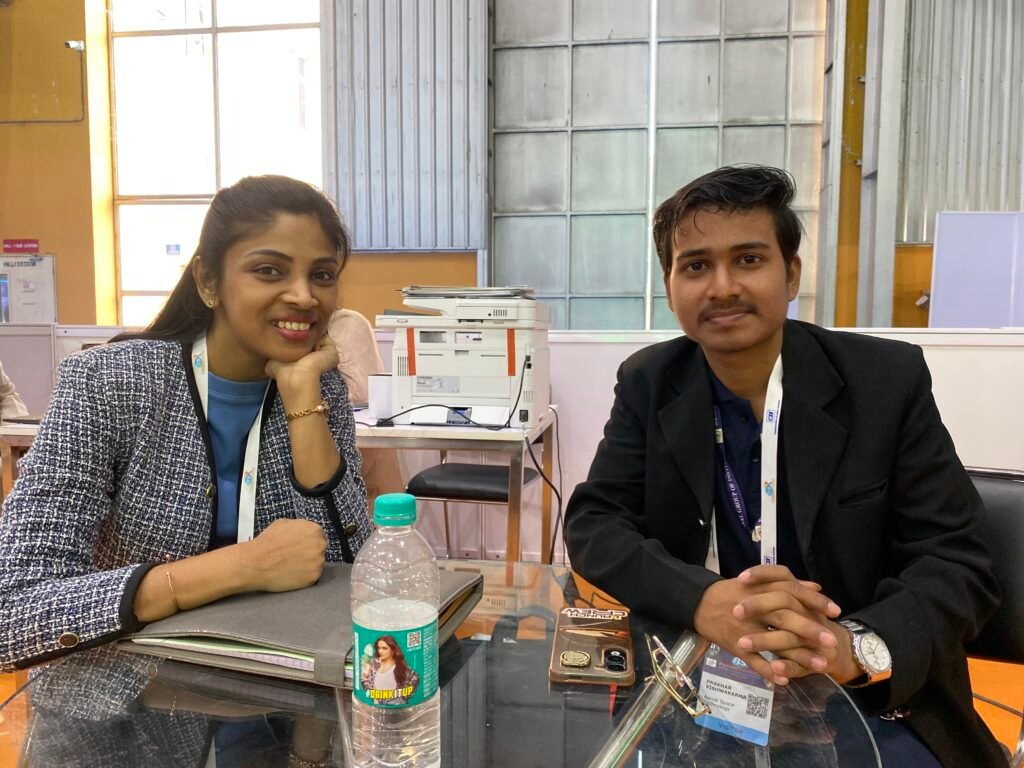
07. The unexpected part of fieldwork
Prakhar Vishwakarma, a young aerospace entrepreneur I met at BSX, and I had a scheduled meeting on day one. He came into aerospace through missiles and rockets, and his low-cost missile innovation has received recognition in national and international circles. From day two onward, we mostly just kept running into each other.
He already knew Sudheer Kumar, so when he spotted him talking with a group of people on the exhibition floor, he pointed him out and we went over together. A day later, a volunteer pointed us toward Dr. Vinod Kumar, who was also surrounded by people and photographs, and we approached him together.
In between, we hunted for goodie bags like children. He came away with a couple; I came away with none, until he started quietly picking things up for me himself once he noticed I was too shy to ask — a keychain, a fridge magnet, some toffees. He came into aerospace through missiles and rockets; I came to the space question through clinical and sports nutrition, much later. Somewhere between the exhibition halls, that was enough common ground for three days of comparing notes over tea and pani puri near the gates.
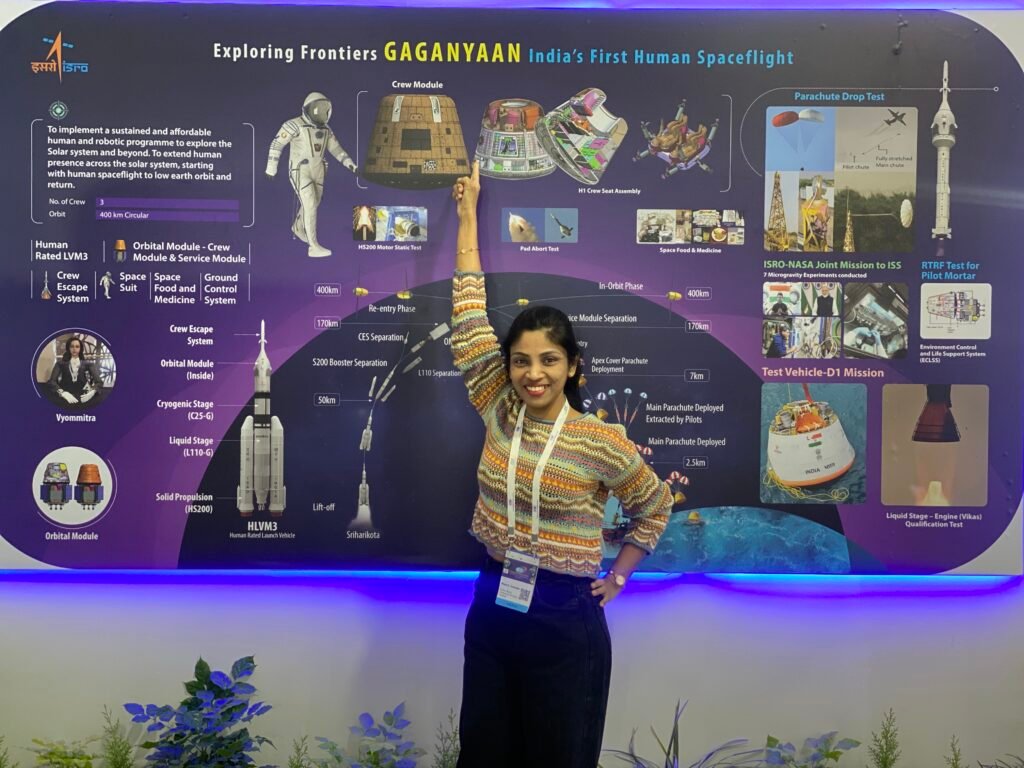
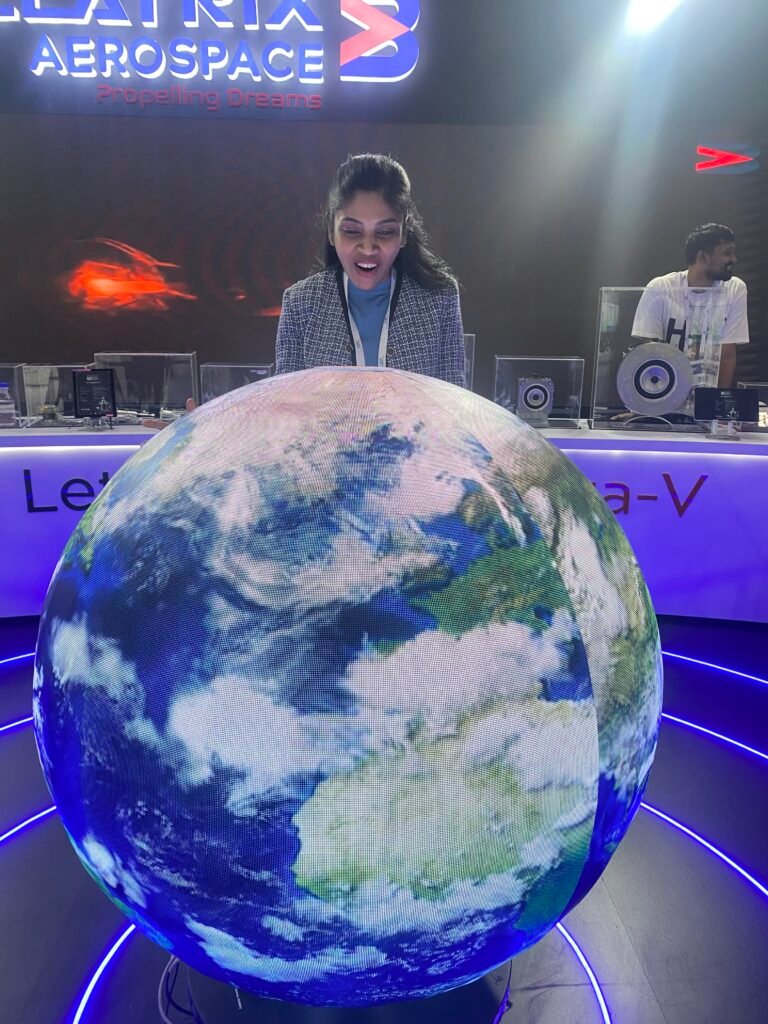
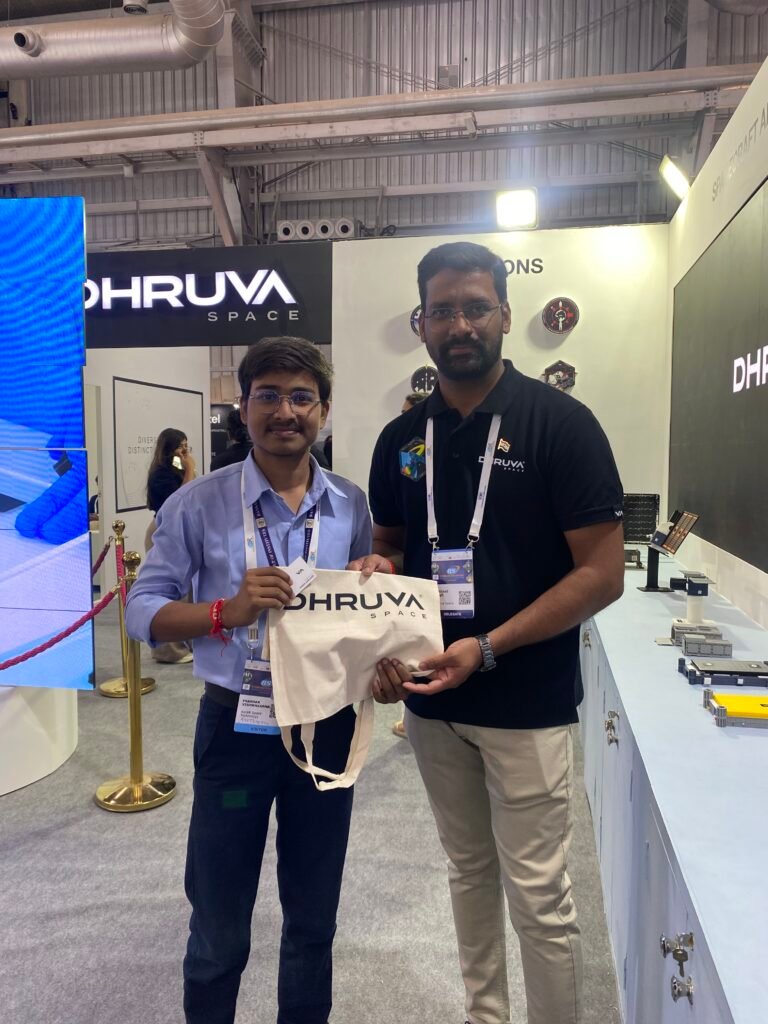
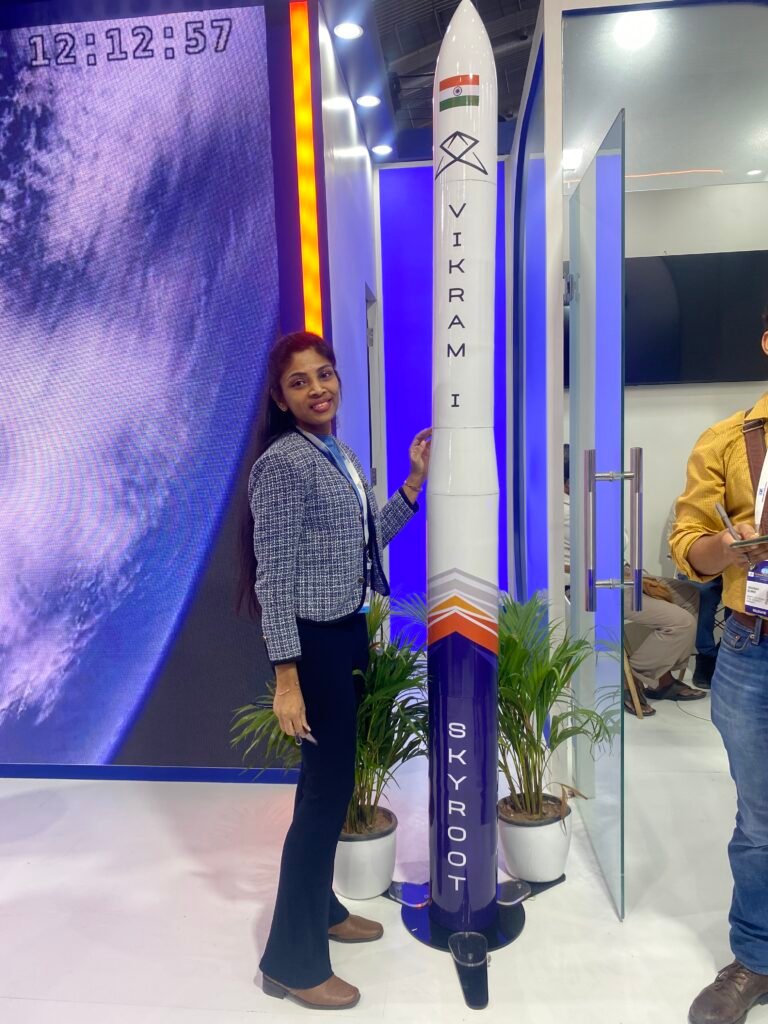
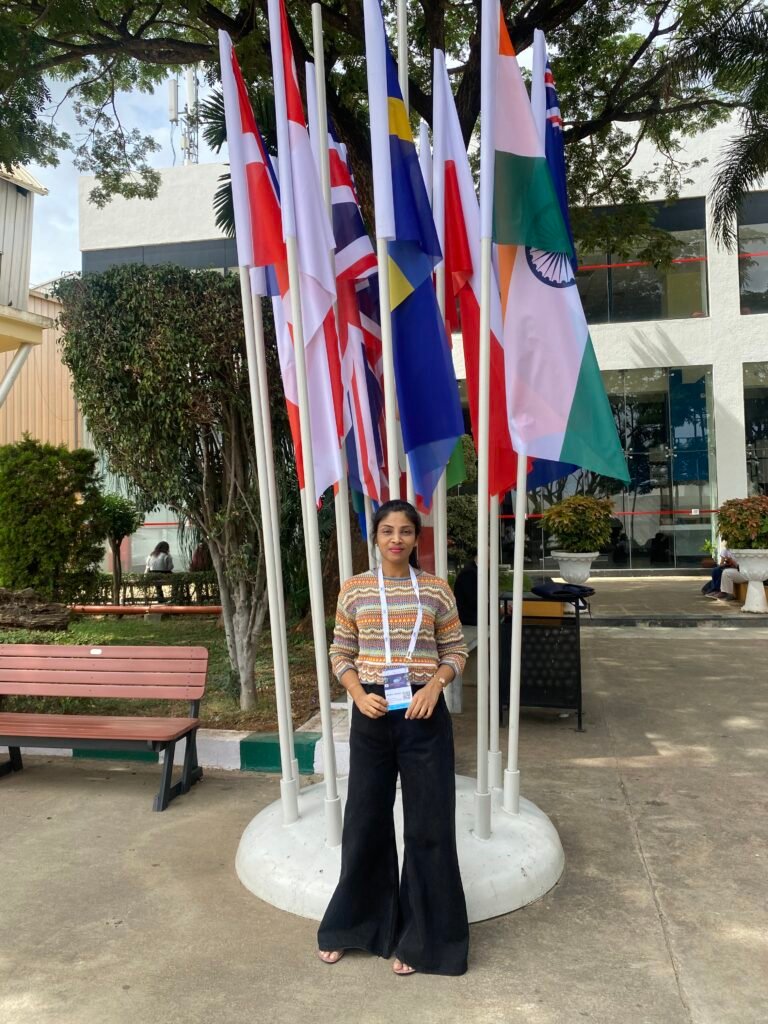
On the last day, we stayed past closing without noticing, got stopped by security on our way back up for our bags, and were told, not unkindly, that we shouldn’t be seen there again. We giggled, grabbed our things, and left. He caught his train to Bhopal. I caught the metro back.
08. What I came home with
Not answers. A better map of where to ask next — Wotring’s name, two people willing to help route me somewhere, and a clearer sense of how much of this ecosystem simply wasn’t visible from the exhibition floor at all.
What this note is for
This is a field note, not a research article. It’s my record of what I saw, heard, and encountered at BSX. Anything from it that becomes part of published research later will be checked and sourced properly, the way everything on The Gaganyaan Table already is.
Field Notes are observations from the work behind Quiet Monk Research. They are written by the people who do the looking.